As the electric vehicle (EV) industry continues to advance, the demand for efficient, high-performance powertrains is growing rapidly. At the core of every EV powertrain is the inverter, which converts DC power from the battery into AC power for the electric motor. To validate inverter performance and maximize energy efficiency, engineers rely on a high-precision EV power analyzer.
Selecting the right EV power analyzer is critical for obtaining accurate measurements during EV inverter testing. The right instrument helps engineers evaluate efficiency, reduce energy losses, accelerate product development, and ensure compliance with industry standards.
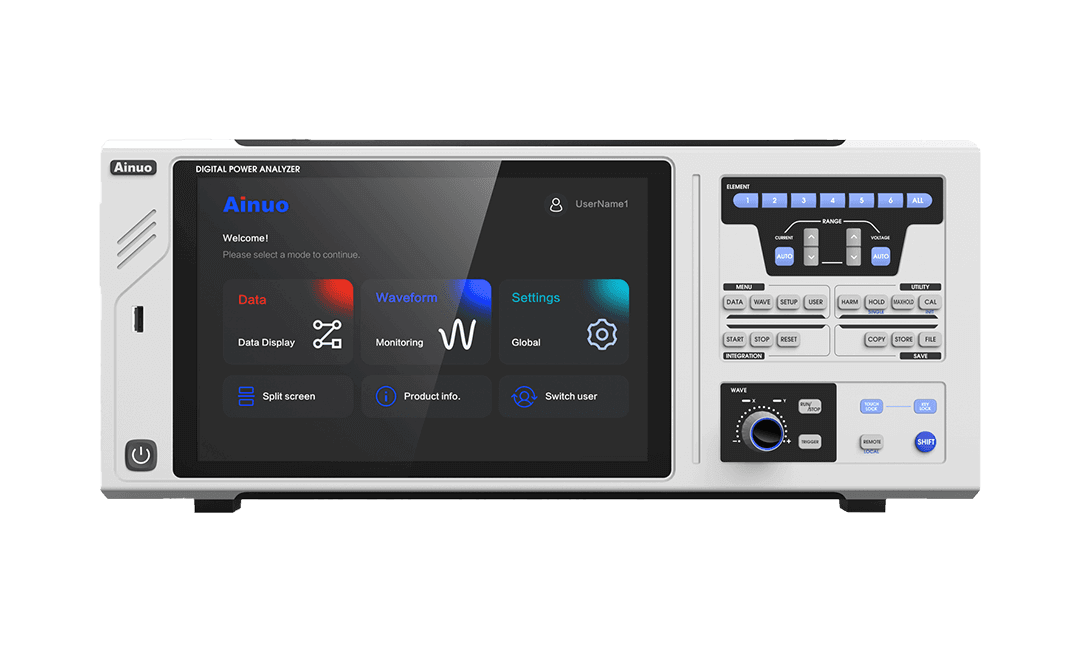
Why an EV Power Analyzer Is Essential for Inverter Testing
An EV power analyzer is designed to measure electrical power with exceptional accuracy, even under the demanding operating conditions of modern electric vehicles. EV inverters operate at high voltages, fast switching frequencies, and dynamic loads, making precision measurement essential.
Using a high-performance power analyzer for EV testing, engineers can accurately evaluate:
These insights enable manufacturers to improve battery utilization, reduce heat generation, and optimize overall drivetrain performance.
Key Features to Look for in an EV Power Analyzer
1. High Measurement Accuracy
Efficiency improvements in modern EVs are often measured in fractions of a percent. A high-quality EV power analyzer should provide exceptional voltage, current, and power measurement accuracy to identify even the smallest efficiency gains.
Look for:
High measurement precision
Low uncertainty
Long-term calibration stability
High-resolution ADC technology
2. Wide Bandwidth for Modern Inverters
Today's EV inverters increasingly use silicon carbide (SiC) and gallium nitride (GaN) semiconductors, which switch at much higher frequencies than traditional devices.
A suitable electric vehicle power analyzer should provide sufficient bandwidth to capture accurately:
3. High-Speed Sampling Rate
Fast sampling enables accurate measurement of rapidly changing electrical signals during:
Vehicle acceleration
Regenerative braking
Dynamic load testing
Motor startup
A higher sampling rate ensures reliable efficiency calculations throughout the entire operating cycle.
4. Multi-Channel Measurement Capability
Comprehensive EV inverter testing requires synchronized measurements across multiple electrical and mechanical parameters.
Choose an EV power analyzer capable of simultaneously measuring:
DC input voltage
DC
Three-phase AC output
Torque
Speed
Mechanical power
Multi-channel capability simplifies efficiency mapping and overall drivetrain analysis.
5. Support for High Voltage EV Platforms
Modern EV architectures commonly operate at 400 V and 800 V, with future platforms expected to exceed these levels.
A reliable power analyzer for EV testing should support:
High-voltage inputs
Wide current measurement ranges
Isolated measurement channels
Electrical safety compliance
6. Integrated Motor Efficiency Analysis
Many advanced EV power analyzers calculate both electrical and mechanical performance in a single instrument.
Integrated motor analysis enables engineers to determine:
This reduces testing complexity while improving measurement consistency.
7. Advanced Software and Real-Time Analysis
Modern EV development requires fast access to meaningful test data.
Look for software features including:
These capabilities shorten development cycles and improve engineering productivity.
Integration with EV Test Systems
An EV power analyzer should integrate seamlessly into existing EV testing environments, including:
Support for Ethernet, USB, CAN, and SCPI communication protocols enables easy integration into automated testing workflows.
Future-Proof Your EV Testing Investment
Electric vehicle technology continues to evolve rapidly, making scalability an important consideration.
Select an EV power analyzer that offers:
Expandable measurement channels
Firmware updates
Support for SiC and GaN technologies
Compatibility with future high-voltage EV platforms
A future-ready instrument helps reduce long-term equipment costs while supporting next-generation vehicle development.
Choosing the Right EV Power Analyzer
Beyond specifications, consider the manufacturer's expertise, calibration services, software support, and application knowledge. A trusted supplier can improve measurement reliability and minimize downtime throughout your EV development process.
When evaluating instruments, prioritize measurement accuracy, bandwidth, software capabilities, integration options, and long-term support to ensure your investment delivers lasting value.
Conclusion
Choosing the right EV power analyzer is essential for accurate EV inverter testing and efficient electric vehicle development. From high measurement accuracy and wide bandwidth to multi-channel capability and advanced software, every feature contributes to reliable power measurement and improved inverter performance.
As EV technology continues to advance, investing in a high-performance electric vehicle power analyzer enables engineers to optimize efficiency, accelerate validation, and deliver safer, more energy-efficient electric vehicles to market.